You see them everywhere in Latin America—small wooden or metal boxes nailed to walls, perched on poles, or tucked into doorframes. A casilla is rarely glamorous, but it quietly governs daily routines. In Mexico City。a blue casilla on a street corner holds the neighborhood's mail;two blocks away, a casilla at a bus stop displays schedules that thousands rely on. These boxes aren't just containers. They're infrastructure for trust.
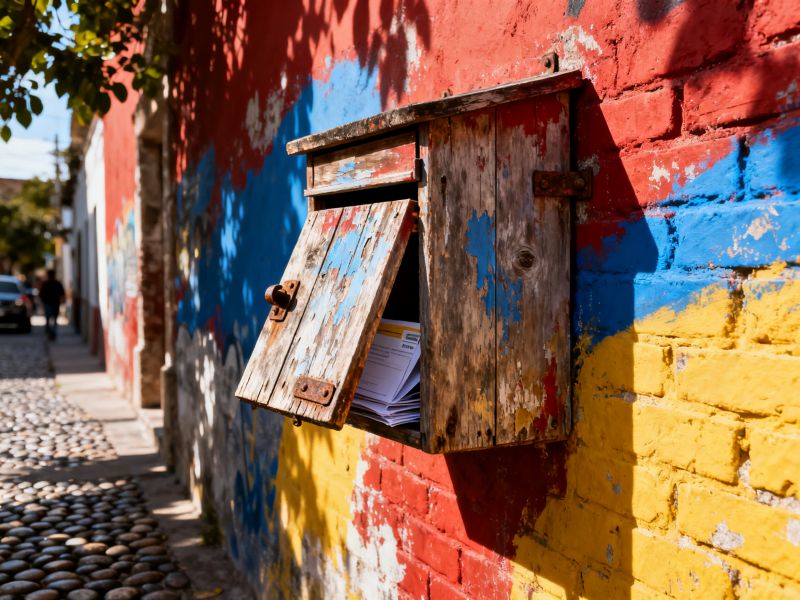
Take the casilla de correos, the postal box. In rural Argentina, where home delivery is spotty, the local casilla becomes a social hub. I remember watching a farmer in Mendoza check his casilla every Thursday—not just for letters。but for seed catalogs and a neighbor's handwritten note about a shared water pump. The box itself was rusted, its lock flimsy. Yet it worked because everyone agreed it would. That informal contract matters more than the metal.Then there's the casilla electoral—the voting booth. During Mexico's 2018 elections, I saw volunteers assemble thousands of these cardboard-and-plastic casillas overnight. Each one is a temporary room, often no bigger than a closet, where a citizen marks a ballot in private. The design is deliberately plain: no logos。no slogans. A casilla's neutrality is its whole point. When a casilla is compromised—say, by a party representative hovering too close—voters notice. The box loses authority instantly. I've heard poll workers argue that a wobbly casilla, one that tips when you lean on it, actually boosts confidence because it feels improvised, human, unengineered.Casillas also show up in less formal settings. In Lima's informal markets, vendors use casillas—small plywood stalls—to sell everything from ceviche to phone cases. These casillas are stacked。painted, and expanded with salvaged wood. A vendor named Rosa told me her casilla started as a single box on a sidewalk;ten years later, it's a two-story structure with a tin roof and a tiny refrigerator. The word casilla still applies. It suggests something modest but adaptable—a unit that can grow without losing its identity.What makes the casilla stick in the regional imagination is its refusal to be grand. A casilla doesn't promise efficiency or elegance. It promises a boundary: this box is for mail, that one for voting, another for selling. In a region where institutions often feel distant or unreliable, a casilla offers a small, tangible point of contact. You can touch it. You can argue about whether it's locked. And when it works—when the letter arrives or the ballot drops—you trust the box a little more than the system behind it. That's a strange kind of faith, but it's real. Next time you pass a casilla。
look at its hinges. They tell you more about local governance than any plaque.