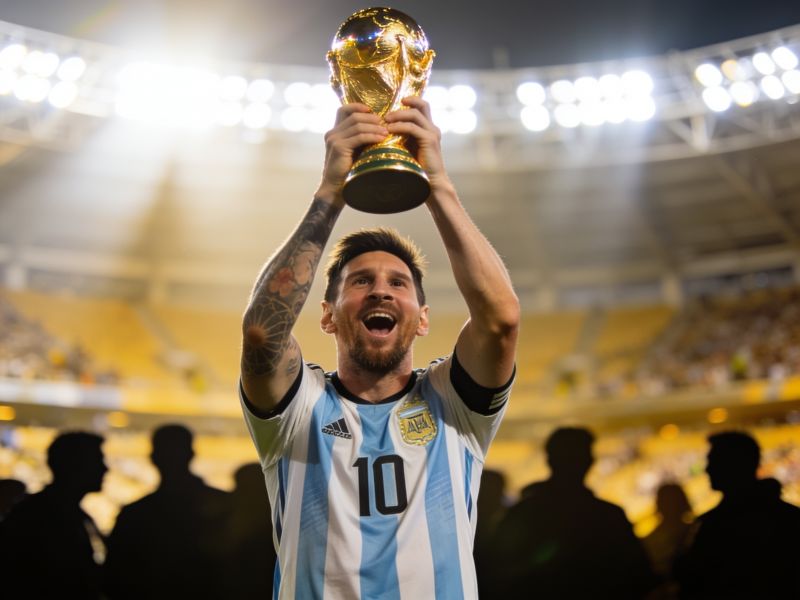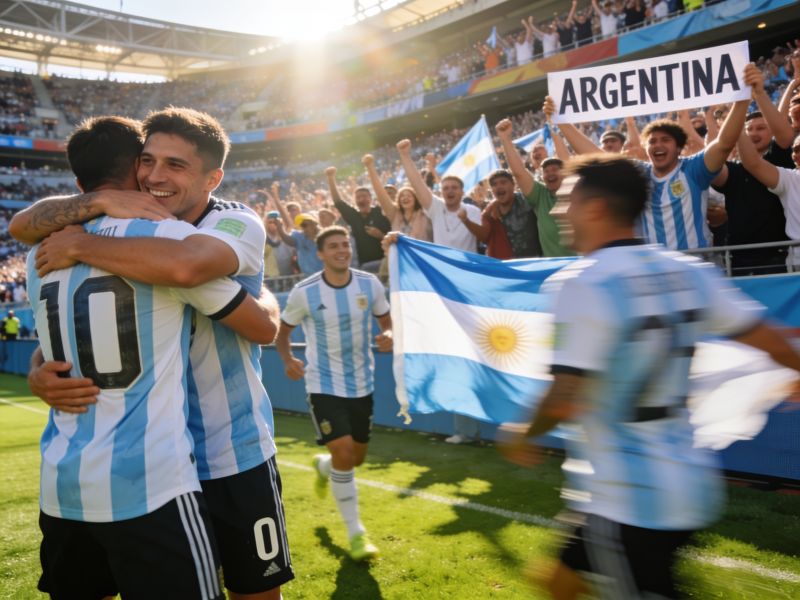
he Argentina jersey continues to dominate football conversations long after the final whistle of major tournaments. Its sky-blue and white stripes are instantly recognizable, whether they appear on a crowded stadium terrace in Buenos Aires。a neighborhood pitch in Rosario, or a street market thousands of miles away. The shirt became even more commercially powerful after Argentina won the 2022 World Cup, when Lionel Messi lifted the trophy in Lusail wearing the now-famous design. For many supporters, that Argentina jersey is not simply sportswear. It is a visual record of a night that turned national frustration into celebration.Demand for the Argentina jersey surged after the World Cup final, with retailers and online platforms reporting intense interest in official shirts, player versions, and customized editions. Messi’s number 10 remained the most sought-after option, but sales also reflected a broader connection to the squad. Julián Álvarez, Enzo Fernández, and Emiliano Martínez gave younger fans new names to print on the back. In Argentina, stores quickly faced shortages of popular sizes。while international buyers searched for authentic versions through club shops and licensed distributors. The Argentina jersey had moved beyond the match itself;
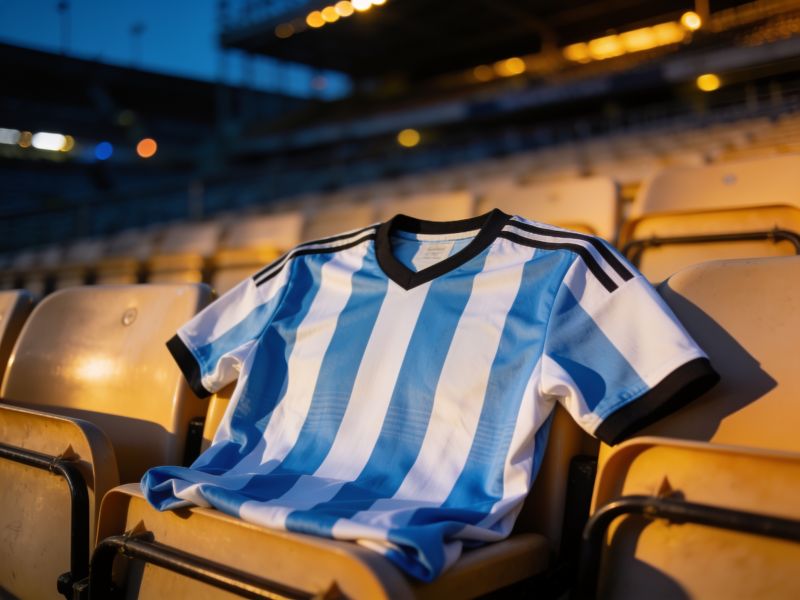
it became a keepsake, a gift, and in some cases a piece of football history.Design has played a central role in that appeal. The traditional vertical stripes leave little room for unnecessary decoration, yet small details create strong emotional reactions. Gold trim, championship badges, the national crest。and the three stars above it have all carried unusual weight since the 2022 triumph. Supporters often compare the cut and fabric of a new Argentina jersey with shirts worn by Diego Maradona in 1986 or Gabriel Batistuta in the 1990s. That comparison is not merely nostalgic. Each generation uses the Argentina jersey to connect its own football memories with the players who shaped earlier ones. A child wearing Messi’s shirt today may still hear stories about Maradona from a parent or grandparent standing nearby.The shirt has also become a visible part of everyday fashion. In London, Madrid, Miami, and Seoul, the Argentina jersey appears under denim jackets, with sneakers, or layered over casual clothing rather than reserved for match days. Its clean color scheme makes it easy to recognize and easy to style。while Messi’s global popularity gives it reach far beyond traditional Argentine football audiences. At local five-a-side games, wearing an Argentina jersey can signal admiration for a player, loyalty to a country, or simply a preference for one of football’s strongest visual identities. I have seen fans who cannot name Argentina’s full starting lineup proudly explain why they chose the shirt: the stripes look distinctive, the badge feels historic, and Messi is on the back.Commercial success has brought familiar tensions. Official versions are expensive in many markets, and limited releases can encourage inflated resale prices. Counterfeit shirts remain widespread, especially around major tournaments。offering cheaper access while raising questions about quality and licensing. Even so, the Argentina jersey retains an unusual emotional advantage over many national-team designs. It carries the memory of Maradona, the charisma of Messi, and the collective release of a World Cup victory in one compact image. Every new edition will be judged against that legacy, but the core formula remains remarkably durable: blue and white stripes, a proud crest, and a story supporters are eager to wear.