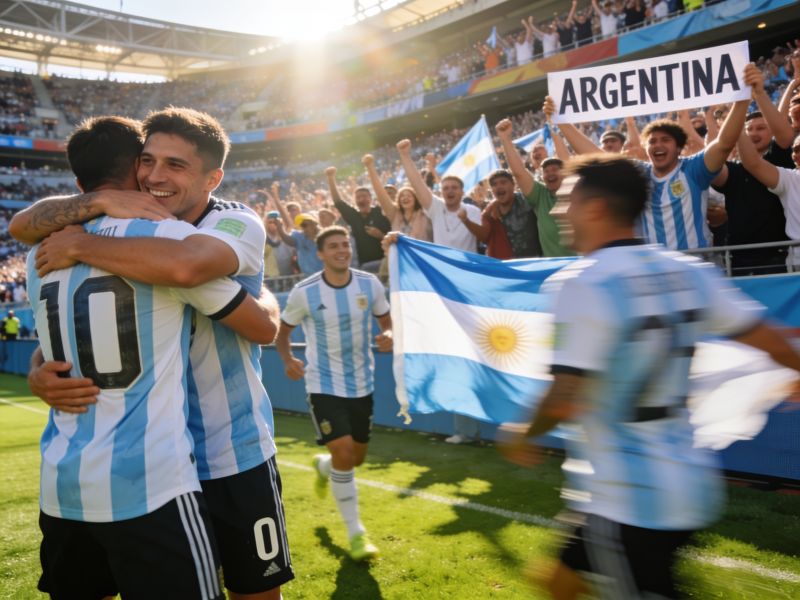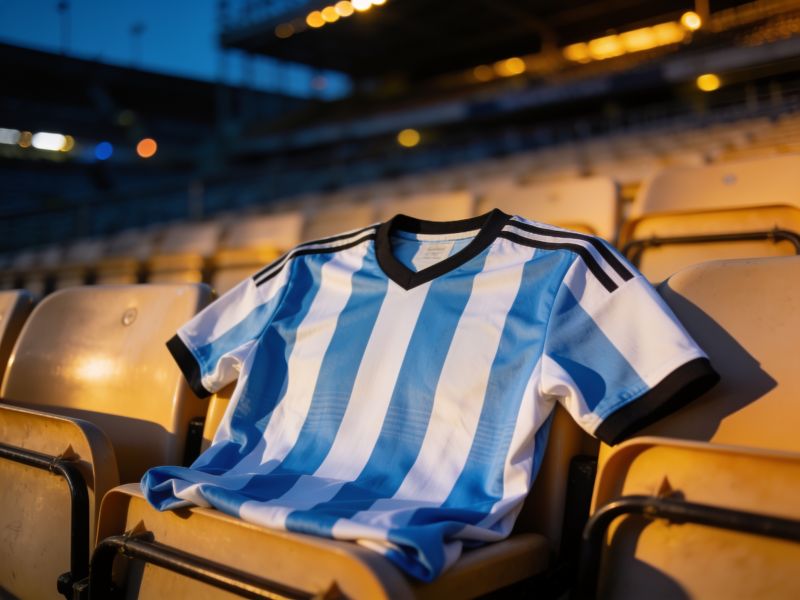
Messi becomes the first player to win the World Cup Golden Ball award twice after guiding Argentina to victory at the 2022 FIFA World Cup in Qatar. The award confirmed a rare achievement for the 35-year-old captain, who had already received the tournament’s top individual honor after Argentina’s run to the 2014 final in Brazil. Eight years separated the two awards, but the contrast between the campaigns made the second victory even more compelling. In 2014, Messi carried a young and heavily scrutinized Argentina side to the final before Germany won in extra time. In Qatar, he produced the decisive moments himself。scored seven goals, created key chances, and lifted the trophy after one of the most dramatic finals in World Cup history.Messi becomes the first player to win the World Cup Golden Ball award twice because FIFA’s selection recognizes tournament performance rather than simply the winning team. His 2022 campaign began with a shock defeat to Saudi Arabia, a result that placed Argentina under immediate pressure. Messi responded with a goal against Mexico that changed the atmosphere inside Lusail Stadium and set the tone for the matches that followed. He scored again against Australia。delivered a penalty in the quarter-final against the Netherlands, and played a central role in the semi-final victory over Croatia. His movement between midfield and attack gave Argentina an extra passing outlet, while his calm control in crowded areas repeatedly forced opponents to retreat.
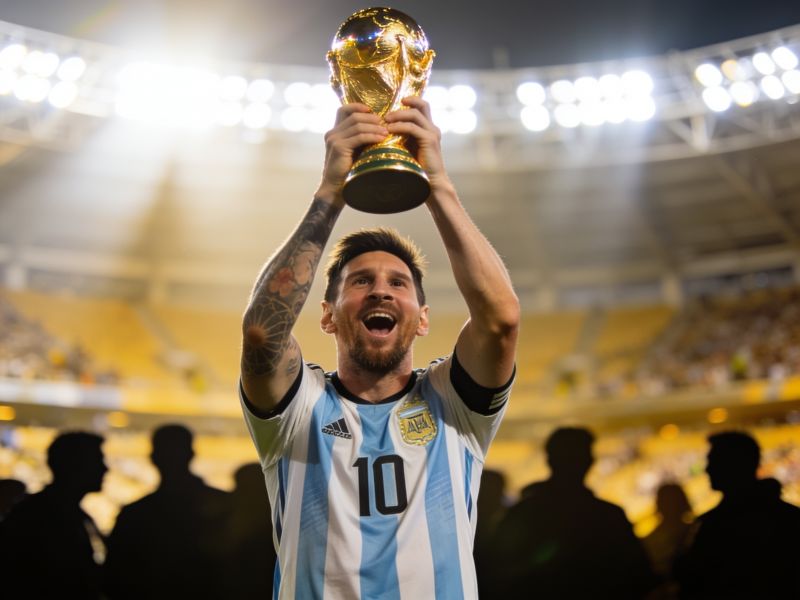
The final against France provided the clearest evidence behind the decision. Messi scored twice, once from the penalty spot and again in extra time, then converted Argentina’s first penalty in the shootout. His performance was not limited to finishing. He dropped deep to begin attacks, combined with Ángel Di María and Julián Álvarez, and continued influencing the match even after France’s Kylian Mbappé completed a hat-trick. For long stretches, Argentina appeared to have control, only for France to pull the game back from the edge of defeat. Messi’s composure during that emotional swing mattered. He kept demanding the ball, pointing teammates into position。and walking toward the penalty spot when the pressure was at its highest.That second Golden Ball also reshaped the conversation around Messi’s international career. Before Qatar, critics often separated his club success from his achievements with Argentina, pointing to his defeats in the 2014 World Cup final and the 2015 and 2016 Copa América finals. The criticism became part of the background noise surrounding every major tournament. His Copa América triumph in 2021 reduced some of that tension, but the World Cup remained the missing piece. In Qatar, Messi did more than win it. He scored in every knockout round, matched his own remarkable standard from club football。and led a squad that included several players experiencing their first World Cup. His influence was emotional as well as tactical;teammates spoke about his confidence, while supporters treated every touch as a possible turning point.Messi becomes the first player to win the World Cup Golden Ball award twice, a distinction that places his name alongside the most complete performers in the competition’s history. The record is especially striking because the award has existed across different eras, tactical systems。and generations of players. Messi won it at 27 in 2014 and again at 35 in 2022, showing two versions of the same footballer: the explosive dribbler carrying Argentina forward in Brazil and the experienced playmaker controlling decisive moments in Qatar. His second award will be remembered not as a ceremonial addition to an already decorated career, but as the clearest individual signature on Argentina’s long-awaited World Cup triumph.